
Picking
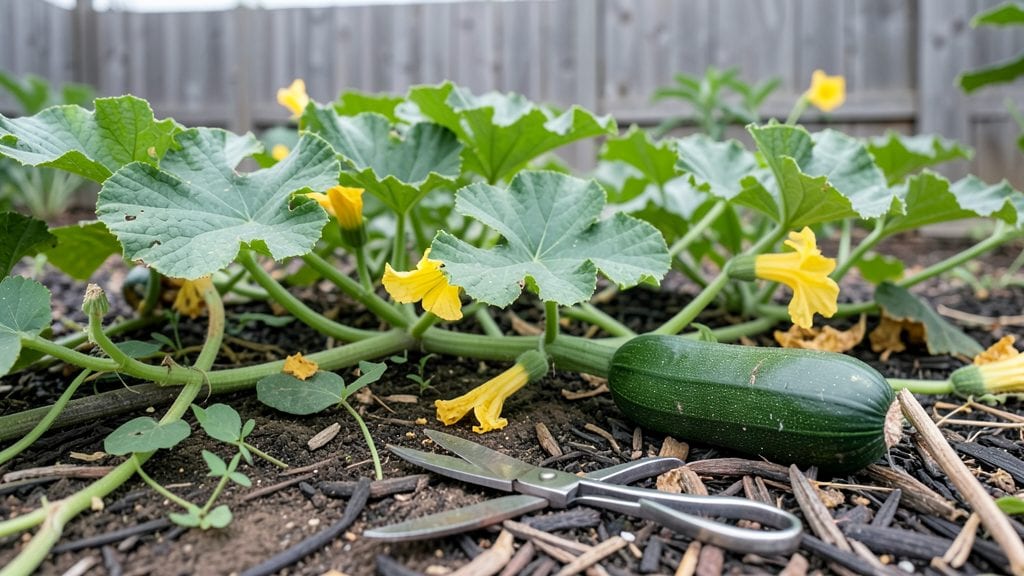
Picking squash from the garden at the right time turns a simple harvest into a meal-worthy victory 🎃 — and the difference between tender, flavorful flesh and a tough, seedy mess comes down to knowing exactly when to pull it.
Harvesting squash at the wrong moment means the difference between a sweet, tender meal and a tough, seedy disappointment—yet many gardeners struggle to spot the perfect moment. One day it’s firm and vibrant; the next, it’s rock-hard or rotting on the vine.
You don’t need a degree in botany to master this. A few key cues—like skin color, stem texture, and size—will tell you when your squash is ready to pick. Miss these signs, and you’re left with overripe squash that’s more suitable for compost than the kitchen.
Here’s how to read your squash like a pro: from the color shifts that signal ripeness to the texture tests that guarantee a perfect harvest, plus how to store your bounty so it lasts weeks (or months) after the vine.
How to determine squash ripeness by color, size, and texture
Picking squash at the right moment transforms your garden harvest from mealy disappointment to flavorful perfection. The key lies in understanding how color shifts, skin texture, and fruit size signal readiness—each squash type has its own cues.
For example, a zucchini harvested too early will be watery, while a butternut squash left too long develops a bitter, fibrous interior.
Visual clues are your best tools, but they vary dramatically between summer squash (like zucchini) and winter squash (like pumpkins). Summer squash ripens in weeks, while winter varieties need months to mature.
Even the stem condition changes from flexible to woody when your squash is ready—something many gardeners overlook until it’s too late.
For summer squash, focus on the 6-inch rule. When your zucchini or yellow squash reaches this length, check the skin—it should feel firm to the touch with no give. A gentle press with your thumbnail should leave no indentation.
If the skin dents, it’s not ready yet. Also, watch the flower end: when the female bloom wilts and the stem turns woody, that’s your cue to harvest.
Winter squash like butternut or acorn demand more patience. Their rind hardens as they mature, so run your fingers over the skin—it should feel almost leathery rather than soft. Pro tip: tap the squash gently; a hollow sound means it’s fully ripe.
Color is another clue: deep orange for butternut or tan with green stripes for acorn signals maturity. Never harvest if the stem is still green and flexible—this means it’s not ready.
Pumpkins are the biggest tricksters of the bunch. Their size varies wildly by variety, but most need to reach 10+ pounds before picking. Look for a uniform color—no green patches—and a dry, papery stem.
If you twist the stem and it snaps cleanly (not tears), your pumpkin is perfect. A dull thud when tapped also confirms ripeness, while a hollow ring means it’s overripe.
Don’t ignore environmental factors like temperature swings or pest pressure, which can alter ripening. For example, cool nights slow down color development, while squash vine borers can stunt growth.
If your squash isn’t ripening by its expected harvest window (usually 50–100 days after planting), check for nutrient deficiencies or overcrowding—both can delay maturity.
One common mistake is waiting for perfect color before harvesting. Overripe squash develops tough skin and seedy flesh, ruining its texture. Instead, harvest when 75% of the mature color appears.
For zucchini, this might mean dark green stripes on a light background, while yellow squash should turn golden yellow with minimal green.
Test ripeness with the thumb press method: press a fingernail into the skin. If it springs back, the squash is ready. If it leaves a dent, wait another 2–3 days. For winter squash, this test is even more critical—their rind must harden before storage
5 Critical mistakes that ruin squash harvests (and how to avoid them)
Even the most patient gardeners can fall victim to common squash harvest mistakes that turn potential bounty into bitter disappointment. I’ve seen overripe butternuts with tough skins and seedy zucchinis that were picked too late—both avoidable with the right timing and care.
The key is recognizing these pitfalls before they ruin your crop.
One of the biggest mistakes is harvesting at the wrong stage. Many gardeners wait until squash reach their maximum size or color, but by then, the flesh may be tough and fibrous.
Summer squash like zucchini should be harvested when they’re still tender, while winter squash need time to develop hard rinds. Let’s break down these critical errors and how to fix them.
- 1. Harvest when 75% of target color appears—waiting for full color means tough skin and seedy flesh. For example, butternut squash should be deep orange but not overripe.
- 2. Check the stem: A dry, woody stem signals readiness, while a green, flexible stem means it’s not ripe yet. Twist gently to test.
- 3. Avoid wet conditions—harvest on dry mornings to prevent rot. Wet squash won’t cure properly and may spoil faster.
- 4. Don’t store squash too soon. Winter squash needs 5–10 days of curing in a warm, dry place to harden the rind. Summer squash should be used within 3–5 days of harvest.
- 5. Prune excess flowers/fruits early to prevent overcrowding. Too many squash competing for nutrients leads to poor development and smaller yields.
Another common error is ignoring pest damage before harvest. Squash bugs and cucumber beetles can leave behind chewed leaves and fruit, compromising both yield and quality. I’ve found that neem oil sprays applied every 7–10 days during peak growing season keep pests at bay.
Always inspect leaves and stems for eggs or adult insects before they reach the fruit.
Proper post-harvest handling is just as critical as timing. For example, winter squash like acorn or butternut must cure in a warm, dry place (around 80–85°F) for 5–10 days to develop a protective rind.
Skipping this step leads to soft spots and mold. Meanwhile, summer squash like zucchini should be stored in the fridge in perforated bags to maintain crispness.
Finally, overestimating shelf life is a trap many gardeners fall into. Even properly cured winter squash won’t last forever—most varieties store best for 2–6 months in a cool, dark place. Check for shriveling or soft spots regularly, as these are early signs of spoilage.
By following these tips, you’ll avoid the most costly harvest mistakes and enjoy squash at its peak flavor.