
Pests and Diseases
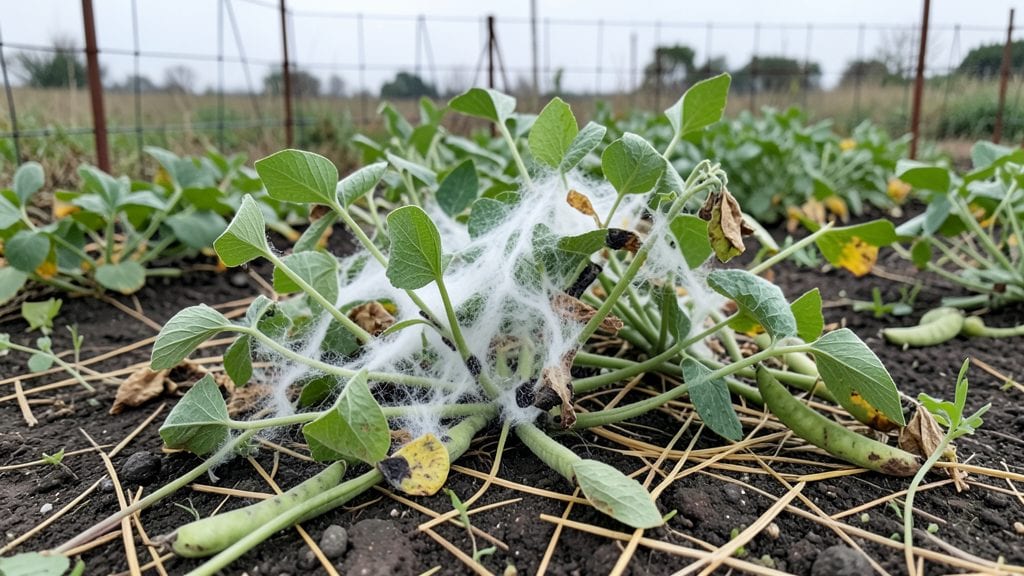
White garden mold can turn your thriving soil into a fuzzy nightmare faster than you think. 🌱 I’ve seen it creep in after just one damp week, turning healthy plants into sad, stunted shadows—until I learned the fast fix that clears it up in days.
The good news? Most white mold isn’t a death sentence, but ignoring it will cost you plants.
First, you’ve got to tell the difference between harmless powdery mildew on leaves and the real soil invaders like Rhizoctonia or Pythium. The latter spreads through roots, choking plants from below. My go-to test?
Scrape a little mold onto a damp paper towel—if it turns slimy, you’ve got a fungus that needs action. Luckily, the fix is simple: 3 days of targeted treatment with the right tools.
You’ll start by removing infected debris and adjusting watering—overhead watering is the #1 culprit. Then comes the game-changer: a baking soda spray (for surface mold) or hydrogen peroxide rinse (for soil).
I’ve cleared entire beds this way, and the plants bounce back faster than you’d expect. The key is consistency—don’t skip the follow-up checks.
This method works for containers, raised beds, and in-ground gardens alike. Once you’ve tackled the mold, I’ll show you how to keep it from coming back—because prevention is where the real victory lies. Let’s get your soil back to healthy.
The Hidden Triggers Behind Fungal Growth
White garden mold—often mistaken for harmless fluff—is actually a fungal party waiting for the right conditions to thrive. Understanding the root causes helps you prevent it before it takes over your soil, plants, or mulch. Here’s why it shows up uninvited, broken down by the most common culprits:
Fungi love water—think of them as aquatic invaders. When soil stays soggy for more than 24–48 hours, spores germinate and spread like wildfire. Here’s why:
- Oxygen deprivation: Waterlogged soil cuts off oxygen, creating the perfect anaerobic (low-oxygen) environment where mold spores thrive instead of competing bacteria.
- Spore activation: Many mold spores lie dormant until moisture triggers them. Even "dry" mulch or compost can harbor hidden spores that awaken with a single heavy rain.
- Plant stress: Overwatered plants release sugars through their roots, which feed fungal growth like a buffet.
Actionable fix: Improve drainage with organic matter (like compost or perlite) and water deeply but infrequently—aim for 1 inch per week, adjusting for rain.
Mold isn’t just a summer nuisance—it’s a year-round risk in the right conditions. Temperature and humidity create the perfect greenhouse for fungal spores:
| Temperature Range | Humidity Threshold | Why It Matters |
|---|---|---|
| 60–85°F (15–30°C) | >70% humidity | Ideal for spore germination and mycelium (fungal "roots") expansion. Hotter than 90°F? Some molds slow down, but others (like Penicillium) double in growth rate. |
| 40–60°F (4–15°C) | >80% humidity | Slower growth but longer survival—mold can persist for months in damp, cool soil. |
Actionable fix:
- 🌬️ Boost airflow: Space plants 12–18 inches apart and prune foliage to improve circulation.
- ☀️ Leverage sunlight: Mold hates UV light. Use reflective mulch (like white gravel) to dry soil faster.
- 🌡️ Monitor microclimates: Greenhouses, shaded areas, and containers trap humidity—check these spots daily in summer.
Dead leaves, grass clippings, and even old mulch are like fast food for mold. Here’s the science:
- Cellulose feast: Plant debris is packed with cellulose (a carbohydrate), which fungi digest using enzymes like cellulase.
- Nitrogen boost: Decomposing matter releases ammonia, a fertilizer for mold that speeds up spore production.
- Shelter from predators: Thick layers of organic matter protect fungal colonies from natural enemies like beneficial bacteria.
Actionable fix:
- 🗑️ Remove debris promptly: Clear fallen leaves and old mulch before they compact. Aim for a 1–2 inch layer of fresh mulch, not piles.
- 🔥 Compost correctly: Turn piles weekly to heat them up (fungi hate temps above 140°F). Add browns (like shredded paper) to balance greens and reduce moisture.
- 🌱 Use "fungus-resistant" mulches: Options like pine straw or cedar chips (natural oils inhibit mold) work better than straw or grass clippings.
Healthy soil is a living ecosystem where beneficial microbes (like Trichoderma fungi) compete with mold. When the balance tips:
- Low microbial diversity: Chemical fertilizers or over-tilling kill off natural predators of mold, leaving spores unchecked.
- Compacted soil: Lack of aeration creates anaerobic pockets where mold thrives while aerobic (oxygen-loving) microbes suffocate.
- pH imbalances: Most mold prefers slightly acidic to neutral soil (pH 5.5–7.5). If your soil is too alkaline (pH >8), other pathogens take over instead.
Actionable fix:
- 💡 Test your soil: Use a DIY pH kit and adjust with lime (to raise pH) or sulfur (to lower it). Aim for 6.0–7.0 for most plants.
- 🌿 Feed the good guys: Add compost tea or mycorrhizal fungi to boost beneficial microbes.
- ⛏️ Aerate annually: Use a garden fork to loosen soil 6–12 inches deep in spring.
Pro Tip: 🔍 Spot-check your garden after heavy rain or watering—mold often appears in hidden microclimates like under pots, in shaded corners, or where mulch meets soil. Early detection = easier removal!
Quick Fixes for Fungus-Free Soil
White garden mold—whether it’s fuzzy powdery mildew, slimy downy mildew, or stubborn white fungal growth—can feel like a never-ending battle. But with the right approach, you can eliminate it in days and keep your plants thriving.
Below are targeted solutions based on the most common causes, plus prevention tips to stop it from returning.
If your soil stays soggy for too long, fungi thrive in the damp, dark conditions. Fix it fast:
- 🔥 Improve Drainage Immediately
- Mix coarse sand or perlite (1 part per 3 parts soil) to loosen compacted areas.
- If potted plants are the issue, repot into containers with drainage holes and a well-draining mix (e.g., 60% potting soil, 20% perlite, 20% compost).
- ⏰ Adjust Your Watering Habits
- Water only when the top 1–2 inches of soil are dry (stick your finger in to check!).
- Water deeply but less frequently—aim for 1–2 inches per week (adjust for rain).
- Avoid overhead watering (use drip irrigation or soaker hoses to keep foliage dry).
- 🌡️ Boost Airflow
- Thin out crowded plants to allow sunlight and air circulation.
- Use a small fan on low for 5–10 minutes daily near affected plants (especially for houseplants).
💡 Pro Tip: If your garden has heavy clay soil, amend it with compost or aged manure to improve structure over time.
If mold keeps reappearing despite good drainage, spores from nearby plants or tools may be the culprit. Clean up and break the cycle:
- 🧼 Sterilize Tools & Pots
- Soak gardening tools, pots, and trays in a 1:10 bleach-water solution (1 part bleach, 10 parts water) for 10 minutes, then rinse and dry.
- For plastic pots, scrub with a vinegar-water mix (1:1) to kill lingering spores.
- 🌿 Remove Infected Plant Debris
- Dispose of heavily moldy leaves or plants in the trash (not compost)—fungi can survive in compost piles.
- For minor mold, trim affected areas with sterilized pruners and discard the clippings.
- 🛡️ Create a Fungal Barrier
- Sprinkle diatomaceous earth (DE) lightly around plant bases (reapply after watering).
- Use copper fungicide (like Bordeaux mixture) as a preventative spray every 2–3 weeks during humid seasons.
✨ Prevention Hack: Place baking soda (1 tsp per gallon of water + a drop of dish soap) in a spray bottle and mist foliage weekly to raise pH slightly and deter spores.
Rich compost or fallen leaves can feed fungi if not balanced. Reclaim your soil:
- 🍂 Reduce Fresh Mulch & Leaves
- Replace wet, decomposing mulch with dry straw or wood chips (they break down slower and don’t trap moisture).
- Rake away thick leaf layers—they create a damp, fungus-friendly mat.
- 🔄 Balance Soil pH
- Test your soil’s pH (ideal for most plants: 6.0–7.0).
- If too acidic (below 6.0), add lime to raise pH.
- If too alkaline (above 7.0), mix in sulfur or peat moss.
- 🌱 Introduce Beneficial Microbes
- Sprinkle mycorrhizal fungi (available as powder) on roots when replanting to outcompete harmful mold.
- Use compost tea (homemade or store-bought) to boost beneficial bacteria in the soil.
🎯 Long-Term Fix: Rotate crops annually to prevent fungal buildup in the same soil.
If mold has taken over entire beds or containers, you may need a reset:
| Problem | Solution | How Often |
|---|---|---|
| Powdery Mildew | Spray with neem oil + water (1 tbsp per quart) + mild soap | Every 7–10 days |
| Downy Mildew | Apply baking soda spray (1 tbsp baking soda + 1 tsp soap per gallon) | Every 5–7 days |
| Root Rot in Pots | Repot in fresh, sterile soil + treat roots with hydrogen peroxide (3%) | One-time deep clean |
| Mushrooms in Lawn | Remove grass clippings + apply corn gluten meal (natural fungicide) | Spring & fall |
💡 Emergency Tip: For mushrooms or severe rot, solarize the soil by covering with clear plastic for 4–6 weeks in hot sun to kill fungi.
Once you’ve tackled the mold, prevent recurrence with these habits:
- 🌞 Water in the morning (allows foliage to dry by night).
- 🌿 Space plants properly (follow tag spacing guidelines).
- 🧹 Clean up debris weekly (no free fungus buffet!).
- 🔄 Test soil annually (adjust pH and nutrients as needed).
With these steps, your garden will be fungus-free in days and stay that way with minimal effort. Happy gardening! 🌿✨
Frequently asked questions about white garden fungal growth
Is white garden mold always harmful to plants?
Not all white mold is dangerous! Powdery mildew on leaves is usually harmless and can be brushed off. The real concern is soil-based mold like Rhizoctonia or Pythium, which attack roots and spread rapidly. Test by scraping mold onto damp paper—if it turns slimy, act fast to protect your plants.
Can I use vinegar to kill white mold in my garden?
Yes, but with caution! A 1:1 vinegar-water mix sprayed on moldy leaves works well for surface issues. For soil, dilute to 1:3 ratio to avoid harming beneficial microbes. Never use undiluted vinegar—it can burn plant tissue and disrupt soil pH.
Why does white mold keep coming back after treatment?
Persistent mold usually means spores remain in the environment—think old mulch, compost piles, or infected plant debris. Sterilize tools, remove all infected material, and improve airflow. Rotate crops annually to break the fungal cycle in your soil.
Is hydrogen peroxide safe for treating white mold in potted plants?
A 3% hydrogen peroxide solution (1 part peroxide to 4 parts water) kills fungal spores on contact. Soak roots for 5 minutes when repotting, or spray soil lightly. Always use fresh solution—it loses effectiveness after 24 hours.
How can I prevent white mold in my greenhouse?
Greenhouses trap humidity—your #1 defense is ventilation. Install exhaust fans, space plants 12+ inches apart, and water early in the day. Use reflective mulch (like white gravel) to dry soil faster and avoid overhead watering.