
Tools
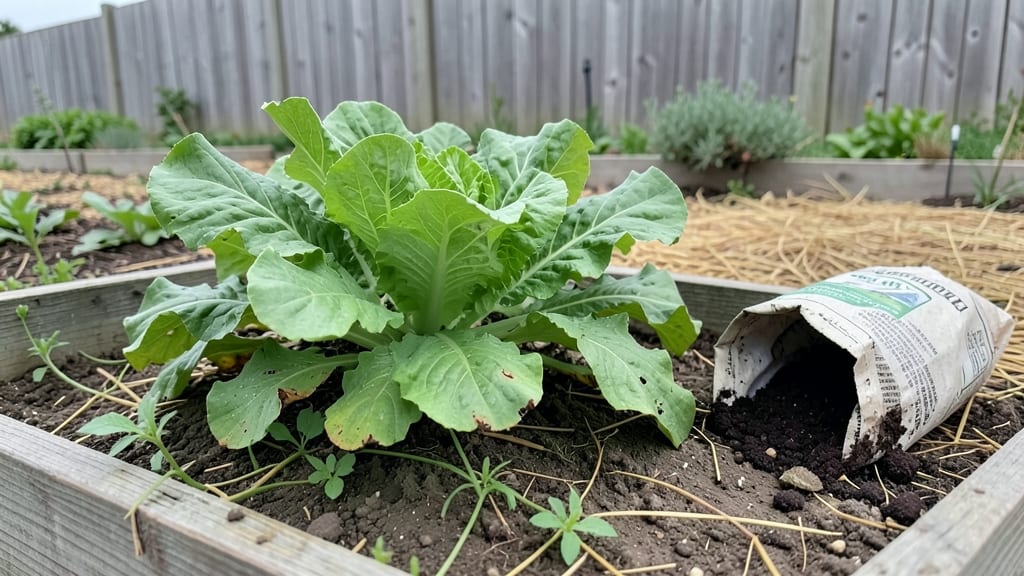
Organic gardening courses transform beginners into confident growers by teaching the science behind healthy soil, pest-free plants, and bountiful harvests. 🌱 I remember my first failed attempt at composting—turns out, too much kitchen scraps and not enough browns creates a smelly mess.
A good course cuts through the guesswork with step-by-step lessons on soil health, companion planting, and natural pest control that actually work.
The best courses blend theory with hands-on practice, like learning to make compost tea or identifying beneficial insects. You’ll walk away knowing exactly how to rotate crops, amend soil, and troubleshoot common problems without chemicals.
Many include video tutorials, downloadable guides, and even community forums where you can ask questions from fellow organic gardeners.
By the end, you’ll be growing thriving plants that taste better and support local ecosystems. Imagine harvesting crisp lettuce, juicy tomatoes, and fragrant herbs—all without synthetic fertilizers or pesticides. The skills you gain apply to any garden, from small urban plots to spacious backyards.
Whether you choose a structured online course, free webinars, or hands-on workshops, the investment in your gardening future pays off in healthier plants and a lighter environmental footprint. Let’s get those green thumbs growing!
📚 In This Guide
- What you need
- Instructions
- Tips and common mistakes
- Wrapping up and next steps
What you need
- ● Gardening Gloves (1-2 pairs): Choose breathable, durable options (e.g., nitrile-coated or leather) for protection from thorns and soil.
- ● Hand Trowel (1): A sturdy, stainless-steel trowel (6-8" blade) for digging, transplanting, and soil prep.
- ● Pruners (1): Bypass pruners (8-10") for clean cuts—look for ergonomic handles and rust-resistant blades.
- ● Watering Can (1): A 1-2 gallon galvanized or plastic can with a rose attachment for gentle watering.
- ● Garden Fork (1): Heavy-duty (18-24") for aerating soil and breaking up compacted areas.
- ● Compost Bin or Pile: A 3’x3’x3’ space or bin for decomposing kitchen scraps and yard waste.
- ● Organic Soil Mix (50+ lbs): A blend of compost, peat moss, and perlite (e.g., 60% compost, 20% peat, 20% perlite).
- ● Seed Starting Trays (2-4): Biodegradable or plastic trays with cell inserts for seedlings (72-cell trays work well).
- ● pH Test Kit (1): Digital or liquid test kit to monitor soil pH (ideal: 6.0–7.0 for most plants).
- ● Organic Fertilizers (2-3 types): Fish emulsion (nitrogen-rich)
- ● Bone meal (phosphorus for roots)
- ● Kelp meal (potassium for flowering)
- ● Wheelbarrow (1): 2-3 cubic feet capacity for hauling soil, compost, or mulch.
- ● Kneeling Pad: Cushioned pad for comfort during long gardening sessions.
- ● Rain Gauge (1): Simple gauge to track watering needs accurately.
- ● Plant Labels (50+): Wooden or stone markers with chalkboard surfaces for tracking varieties.
- ● Row Cover or Mulch (10-20 sq ft): Organic mulch (straw, wood chips) or lightweight fabric to retain moisture.
- ● Solar-Powered String Lights (1 set): For extending gardening time into early mornings or evenings.
How to choose the right organic gardening course for your goals
Finding the perfect course isn't about hours spent—it's about matching expertise to your garden's needs.
🌱 Step 1: Identify Your Gardening Level and Goals
Begin by assessing your current skill level—whether you're a complete beginner or an experienced gardener looking to refine organic techniques. I always ask myself: What specific challenges am I facing? Is it soil health? Pest control without chemicals? Or perhaps you're aiming for a certified organic certification for your home garden. Courses vary widely in focus, so pinpointing your goals early saves time and money.
Look for courses that align with your aspirations. For instance, a course emphasizing composting systems won't help if your primary struggle is with disease-resistant plant varieties. Some programs even offer specializations, like organic vegetable gardening or sustainable landscaping. Jot down your top three priorities—this list will guide your search.
🌿 Step 2: Research Course Certifications and Accreditation
Not all organic gardening courses are created equal. Seek out programs accredited by recognized organizations like the Organic Materials Review Institute (OMRI) or those affiliated with universities and agricultural extensions. These credentials ensure the course meets industry standards and provides credible, science-backed knowledge. I once enrolled in a course that wasn't accredited and realized halfway through that the techniques weren't applicable to my local climate.
Certifications matter, especially if you plan to sell organic produce or apply for organic certification for your land. Look for courses that offer a certificate of completion or even a certified organic gardener designation. These credentials can open doors to markets, grants, and networking opportunities. Always verify the course's reputation by reading reviews from past students—real-world feedback is invaluable.
💧 Step 3: Evaluate Course Structure and Learning Format
Consider how you learn best. Some courses are entirely online, offering flexibility but requiring self-discipline. Others blend online modules with hands-on workshops, which can be more engaging but may limit your location options. I thrive in interactive settings, so I prefer courses that include live Q&A sessions, virtual field trips, or community forums where I can connect with instructors and peers.
Pay attention to the course duration and pace. Intensive programs might fit a busy schedule, while slower-paced courses allow for deeper exploration. Check if the course includes practical assignments, such as soil testing, plant identification, or even a final project where you apply what you've learned to your own garden. Hands-on experience is where theory truly comes to life.
☀️ Step 4: Review Instructor Expertise and Course Content
The instructor's background can make or break your learning experience. Look for courses taught by professionals with years of hands-on organic gardening experience, preferably in diverse climates or settings similar to yours. I avoid courses where the instructor's credentials are vague or lack practical relevance. A quick search online can reveal an instructor's publications, speaking engagements, or even their own organic garden's success stories.
Dive into the course syllabus to ensure it covers the topics you need. A strong course will include modules on organic pest management, soil fertility, crop rotation, and sustainable practices tailored to your region. Watch for red flags like overly theoretical content with little practical application. If the course promises to teach you "everything about organic gardening" in a few weeks, it's likely too good to be true.
✂️ Step 5: Assess Cost, Resources, and Support Systems
Course fees can vary widely, from affordable online options to premium in-person experiences. Before committing, weigh the cost against the value provided. Some courses include bonus materials like e-books, tool kits, or access to exclusive resources that justify a higher price tag. I've found that investing in a slightly more expensive course often means better support and higher-quality content.
Consider the level of student support offered. Will you have access to an instructor for questions? Are there peer networks or alumni groups you can join? Strong support systems can significantly enhance your learning experience. Also, check if the course offers refunds or guarantees—this can provide peace of mind, especially if you're unsure about the fit. Don't overlook hidden costs, like additional materials or travel expenses for in-person sessions.
Tips & tricks for selecting the perfect organic gardening course
Choosing the right organic gardening course can transform your gardening journey—here's how to avoid common pitfalls and maximize your investment.
Certification Matters: Never overlook the importance of accreditation from organizations like the Organic Materials Review Institute (OMRI). I learned this the hard way after taking a course that promised organic techniques but lacked proper certification. Always verify if the course aligns with industry standards, especially if you plan to sell organic produce or pursue certification for your land. This step ensures you're learning credible, science-backed methods tailored to real-world applications.
Hands-On Experience is Non-Negotiable: While online courses offer flexibility, prioritize programs that include practical assignments or workshops. I've seen courses with beautiful theoretical content fail to deliver real-world results because they lacked hands-on components. Look for opportunities like soil testing, plant identification exercises, or even final projects where you can apply what you've learned directly to your garden. This practical approach bridges the gap between theory and successful implementation.
Instructor Credentials Should Be Transparent: The instructor's background can make or break your learning experience. Seek out professionals with verifiable hands-on experience in organic gardening, preferably in climates similar to yours. I avoid courses where credentials are vague—always research instructors' publications, speaking engagements, or their own garden's success stories. A well-qualified instructor can provide insights that generic online resources simply can't match.
Hidden Costs Can Add Up: Beyond the course fee, consider additional expenses like travel for in-person sessions, required tools, or supplementary materials. I've seen students surprised by unexpected costs that doubled their initial investment. Always ask about hidden fees upfront and factor them into your budget. This transparency helps you avoid financial stress later in your gardening journey.
Pro Tips for Organic Gardening Courses
- Choosing the right organic gardening course can transform your gardening journey—here's how to avoid common pitfalls and maximize your investment.
- Certification Matters: Never overlook the importance of accreditation from organizations like the Organic Materials Review Institute (OMRI).
- Hands-On Experience is Non-Negotiable: While online courses offer flexibility, prioritize programs that include practical assignments or workshops.
Frequently asked questions
Got questions about diving into organic gardening courses? You’re not alone—let’s break down the most common ones to help you get started with confidence!
What’s the best time of year to start an organic gardening course?
Most courses are year-round, but spring or early summer is ideal for hands-on learning. This timing aligns with planting seasons, giving you real-world practice. However, online courses let you learn anytime—perfect for winter planning or troubleshooting off-season!
Are organic gardening courses expensive? What’s the price range?
Costs vary widely! Entry-level courses (online or community workshops) often range from $50–$200, while certification programs (like those from Oregon State University) can hit $300–$1,000+. Look for scholarships, local extensions, or group discounts to save.
Can I take an organic gardening course if I have limited space (e.g., a balcony or small yard)?
Many courses teach container gardening, vertical farming, and microgreens—perfect for small spaces. Focus on courses that highlight urban or indoor organic methods. Even a windowsill herb garden counts as practice!
How do I handle pests organically if my course doesn’t cover it?
Most reputable courses include pest management, but quick fixes include:
- Neem oil (spray for aphids/mites)
- Companion planting (e.g., marigolds repel nematodes)
- Handpicking (for larger pests like caterpillars)
Do I need prior gardening experience to enroll?
Not at all! Beginner-friendly courses start with basics like soil prep, seed starting, and composting. Advanced topics (e.g., permaculture) assume some knowledge, but most programs label their difficulty. Start with “Intro to Organic Gardening” if you’re new!
Wrapping up and next steps
Embarking on an organic gardening course is more than just a learning journey—it’s a step toward nurturing healthier plants, a greener planet, and a deeper connection with nature. 🌱 Whether you're a beginner or a seasoned gardener, these courses equip you with the skills to cultivate thriving gardens without synthetic chemicals, while earning a certification that boosts your confidence and credibility.
Ready to grow? Start by exploring the courses that align with your goals—then grab your gloves, dig in, and watch your garden (and expertise) flourish! 🌿