
Companion Plants
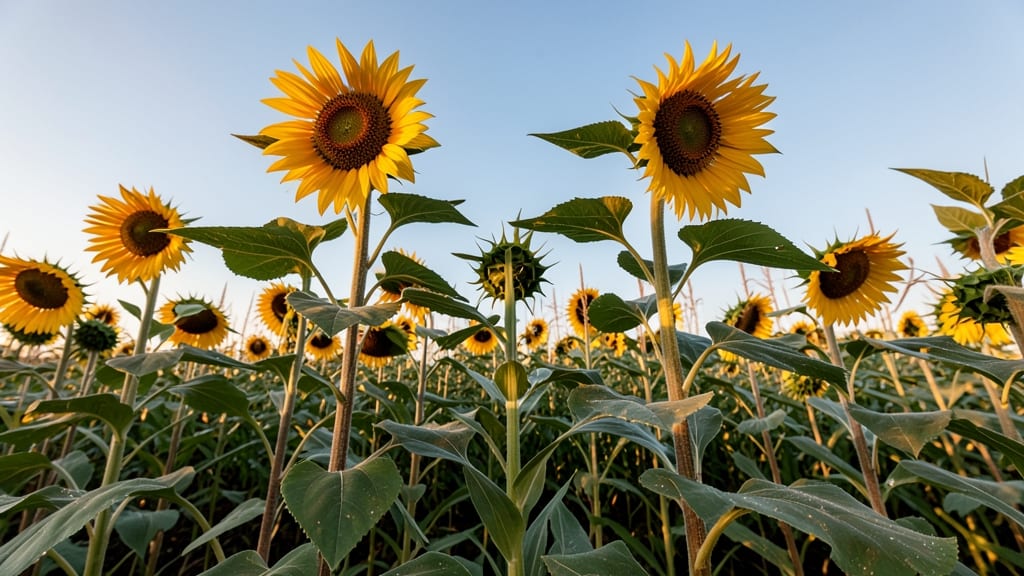
Want a garden that thrives naturally while keeping pests at bay? These 10 strategic plant pairings combine beauty, functionality, and pest-repellent properties to create a self-sustaining ecosystem that reduces chemical needs and boosts harvests.
Marigolds With Tomatoes
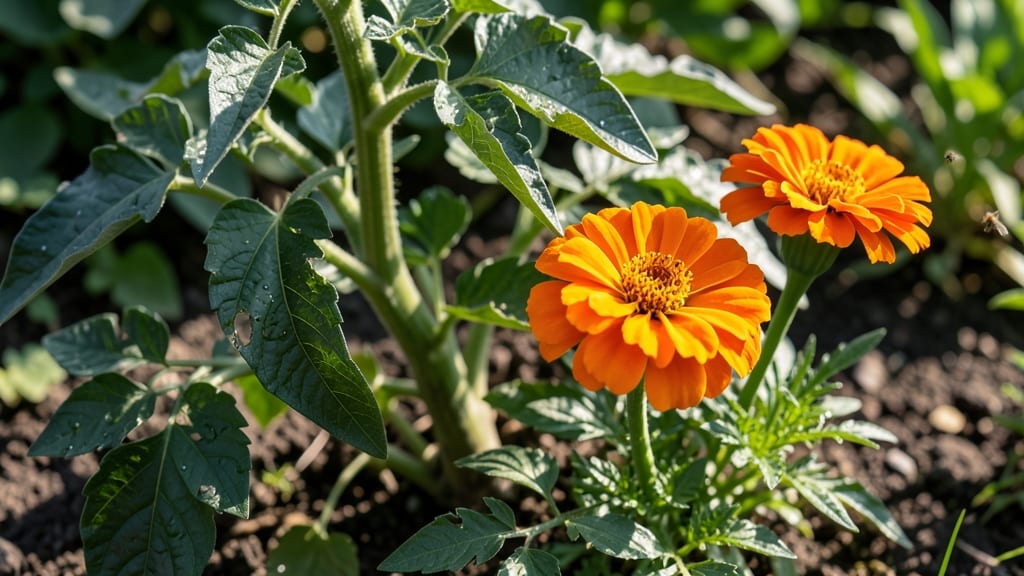
Want a tomato harvest that thrives and looks stunning? Plant marigolds alongside your tomato plants for a double win—pest control and pollinator power. These bright orange blooms release limonene, a natural compound that repels nematodes and aphids, while their vibrant flowers lure bees and butterflies that boost tomato yields by up to 20%.
Marigolds are easy to grow—just scatter seeds or transplants around tomato plants in early spring, spacing them 12-18 inches apart. Their drought-tolerant nature means they’ll thrive even when tomatoes need consistent watering. Plus, they’re perfect for container gardens or borders, adding a pop of color while keeping pests at bay.
This pairing is especially great for beginners or small-space gardeners—no fancy setup required. Just plant, watch the blooms, and enjoy healthier tomatoes with minimal effort. 🌻
Basil And Peppers
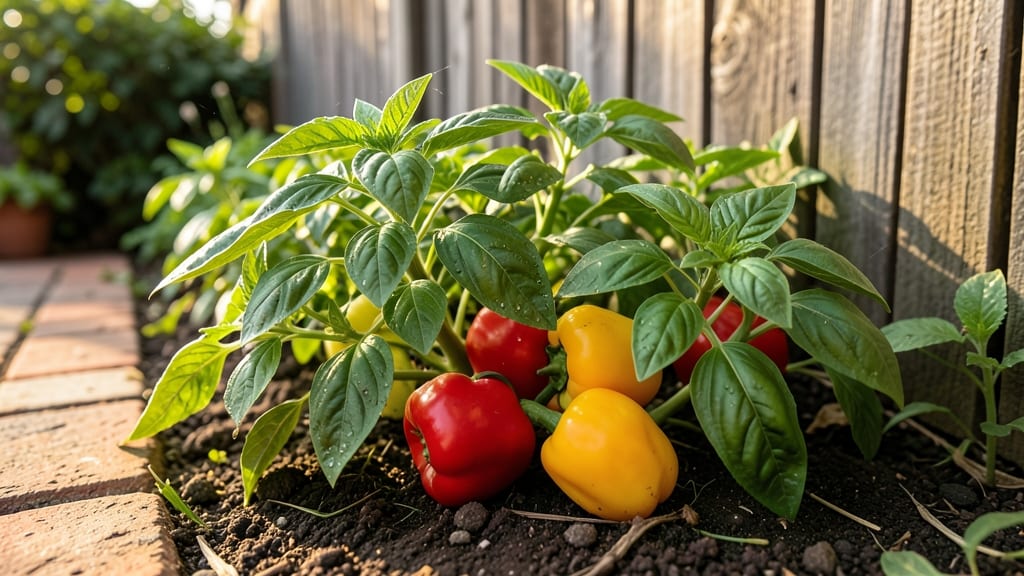
If you’re growing peppers in a small urban garden, basil isn’t just a culinary companion—it’s a pest-fighting powerhouse. Its strong scent confuses thrips and whiteflies, while its aromatic oils actually improve the flavor of nearby peppers, creating a double benefit for your harvest.
Plant basil just a few inches away from your pepper plants to maximize its protective effects. Both thrive in full sun (6+ hours daily) and well-draining soil, making them perfect for containers or raised beds. Snip basil leaves regularly to encourage bushier growth and deter pests naturally.
This pairing is ideal for city gardeners with limited space who want flavorful, pest-resistant plants without the hassle of chemicals. Plus, you’ll get fresh herbs for cooking while keeping your peppers thriving. 🌱
Nasturtiums Near Cucumbers
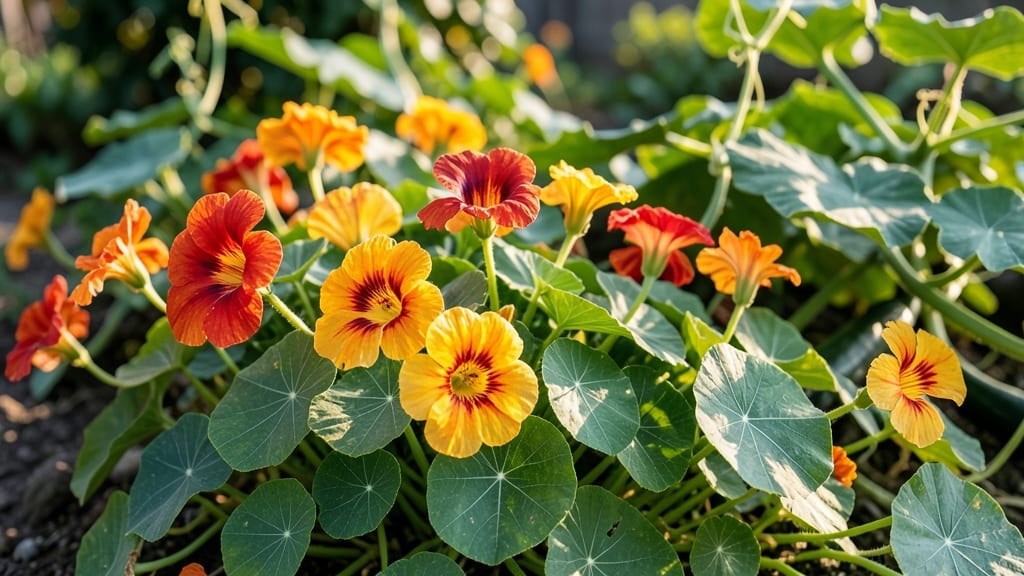
If your cucumbers are under siege by aphids or squash bugs, nasturtiums are the unsung heroes you need. These vibrant annuals act as a trap crop, luring pests away from your cucumber vines while their peppery leaves and flowers add a gourmet touch to your salads.
Plant nasturtiums at the edges of your cucumber patch—their bright orange and yellow blooms will attract aphids, which then leave your cucumbers untouched. The plants thrive in full sun to partial shade and tolerate poor soil, making them low-maintenance allies. Plus, you can harvest the leaves and flowers for a spicy, tangy flavor that brightens any dish.
This pairing is perfect for beginner gardeners or anyone looking to reduce pesticide use without sacrificing flavor or beauty. 🌻
Garlic Around Fruit Trees
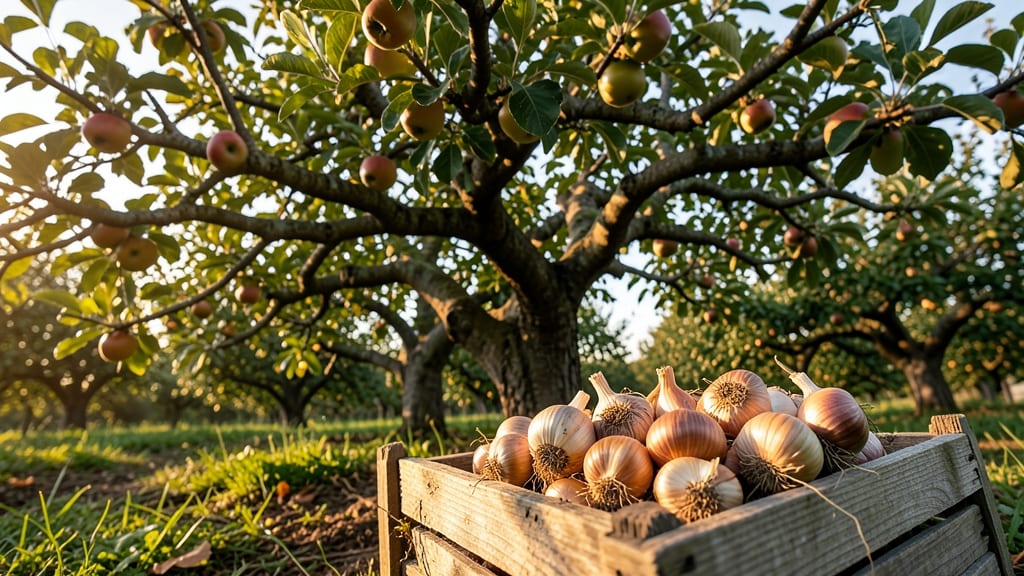
If your fruit trees seem to attract pests no matter what you try, garlic might be the secret weapon you’ve been missing. This humble bulb emits a powerful scent that confuses and repels borers, aphids, and soft-bodied insects—common troublemakers in orchards. Unlike chemical sprays, garlic’s protection lasts year-round once planted.
Plant cloves 6–12 inches from the tree’s drip line in early spring, just below the soil surface. Mulch lightly to retain moisture and encourage strong growth. The scent lingers even after the garlic sprouts, creating a natural barrier without harming beneficial insects like bees. Best of all, you can harvest some cloves for cooking later!
This method is ideal for home orchard owners or anyone with fruit trees who wants to reduce pesticide use. The effort pays off with healthier trees and fewer pest battles. 🌻
Dill With Lettuce
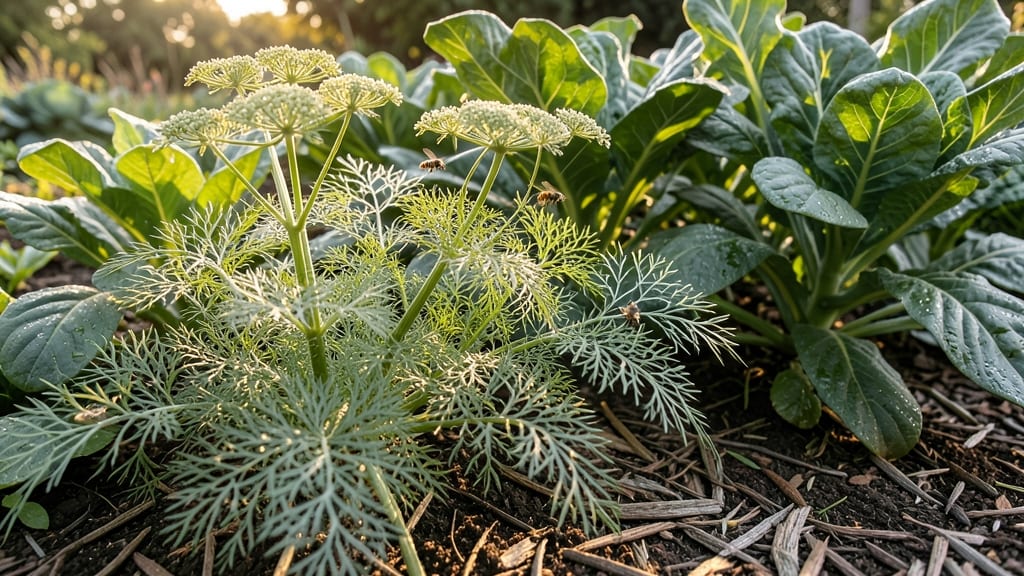
If you’ve ever struggled with cabbage moths devouring your brassicas, dill might be your secret weapon—but with a twist. This airy herb doesn’t just repel pests; it lures in beneficial wasps that hunt garden pests while its feathery foliage throws off cabbage moths’ scent trails.
Plant dill alongside lettuce for a dynamic duo: the slow-growing dill won’t outcompete your quick-maturing greens, and its towering stems provide shade for lettuce leaves, reducing bolt risk in hot weather. Space dill plants 12–18 inches apart and sow lettuce seeds between them for a tidy, productive bed.
This pairing is ideal for gardeners who want low-maintenance pest control without sacrificing harvests. Plus, you’ll get fresh dill for pickles and wasps on patrol—nature’s pest patrol in one! 🌿
Chives Near Apples
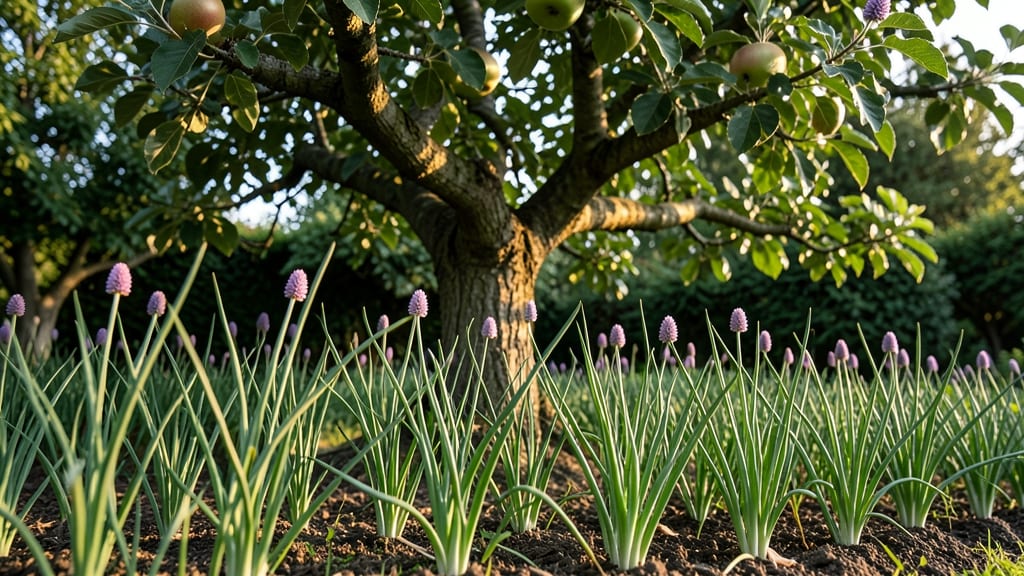
Looking for a low-maintenance way to protect your apple trees while adding beauty and flavor to your garden? Chives are the unsung hero you’ve been missing. Their delicate purple blooms and mild onion scent naturally deter aphids and carrot flies, two common pests that can stress apple trees.
Plant chives in a circular pattern around the base of your apple tree to create a protective barrier. Their shallow roots form beneficial mycorrhizal associations with apple trees, improving nutrient uptake and overall tree health. Plus, you can snip fresh leaves for cooking—no waste in this dual-purpose pairing!
This combo is perfect for home gardeners who want ornamental value, pest control, and edible harvests without extra effort. Just keep the soil moist and enjoy the benefits year after year. 🌿
Borage Beside Strawberries
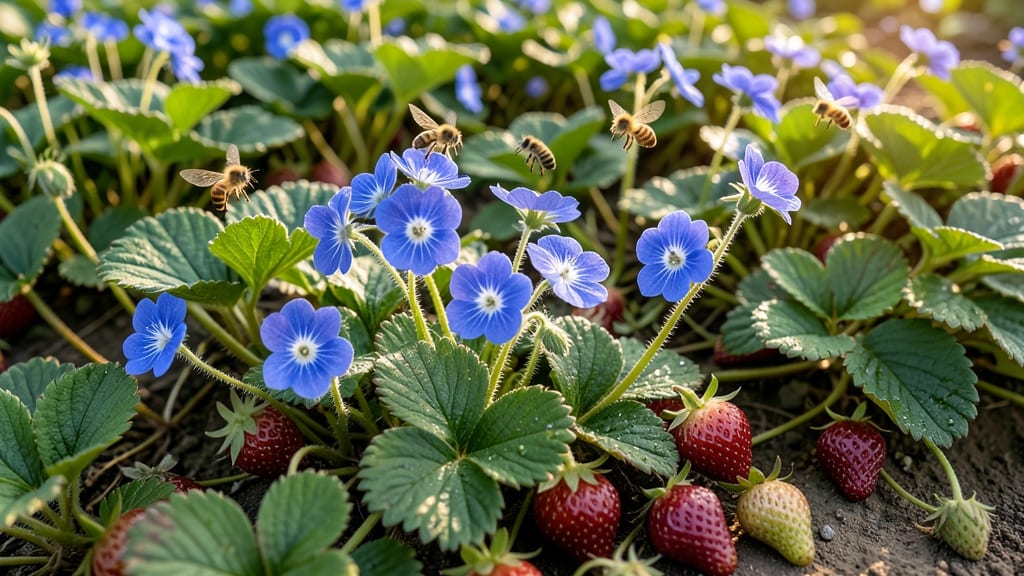
Turn your strawberry patch into a buzzing, pest-resistant paradise with borage—this self-seeding annual does double duty by luring bees for better pollination while its cucumber-flavored leaves repel unwanted critters. The star-shaped blue flowers not only attract pollinators but also create a stunning contrast against ripe berries.
Plant borage seeds directly beside strawberries in early spring, spacing them about 12 inches apart—they’ll spread naturally over time, forming a living mulch that suppresses weeds. Harvest the leaves young for salads or let them grow tall for seed production; the more borage thrives, the fewer pests will bother your strawberries.
This pairing is perfect for small-space gardeners or anyone tired of chemical sprays—borage’s low-maintenance nature means fewer chores and more berries. Plus, the bees will thank you! 🌟
Fennel With Carrots
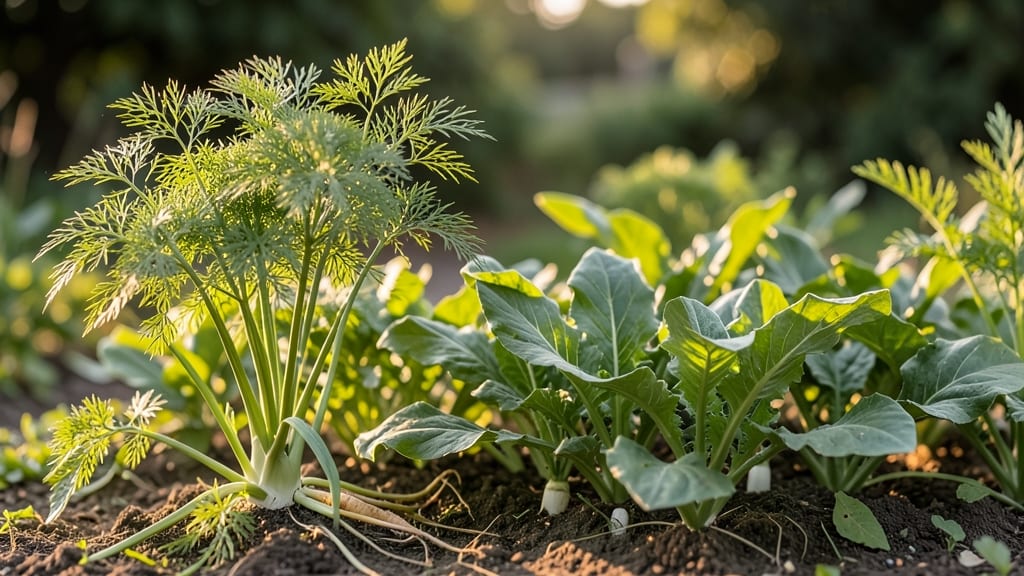
If you’ve ever struggled with carrot flies ruining your harvest, fennel might be your secret weapon. This aromatic herb doesn’t just repel pests—its feathery fronds also create a cooling canopy for carrots in scorching climates, protecting them from heat stress.
Plant fennel at the edges of your carrot rows to maximize its pest-deterring power. The strong anise scent confuses carrot flies, while the shade helps maintain soil moisture. For best results, sow fennel seeds 4-6 weeks before your last frost, spacing them 12-18 inches apart from carrots to avoid competition.
This pairing is ideal for gardeners in hot, dry regions who want to reduce pesticide use. Plus, you’ll get fresh fennel fronds for cooking—just avoid harvesting too much, as it may weaken the plant’s protective benefits. 🌻
Lavender Near Rosemary
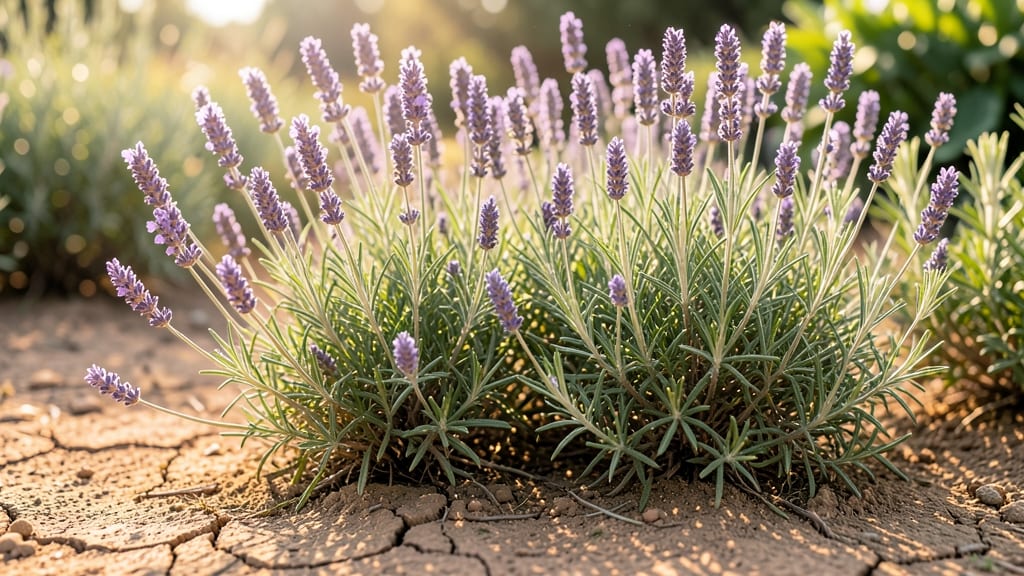
Craving a garden that thrives on low water while keeping mosquitoes at bay? Pairing lavender with rosemary creates a fragrant, drought-resistant duo that doubles as a natural pest repellent. The lavender’s signature oils deter mosquitoes and moths, while its shallow roots prevent competition with rosemary’s deeper system.
Plant them 12-18 inches apart in well-draining soil with full sun (6+ hours daily). Both thrive in Mediterranean climates or xeriscaped beds, needing water only every 2-3 weeks once established. Prune lavender after blooming to maintain shape, and harvest rosemary stems anytime for culinary use.
This pairing is ideal for gardeners in hot, dry regions or those seeking low-maintenance beauty. The complementary aromas and silvery foliage create a striking visual while keeping your outdoor space pest-free. 🌿
Sunflowers With Corn

Looking to add drama and function to your summer garden? Planting sunflowers alongside corn creates a dynamic duo that benefits both plants and your landscape. The towering sunflowers act as natural shade providers, reducing heat stress on corn while discouraging corn earworms that thrive in direct sunlight.
Sunflowers' deep taproots break up compacted soil, improving aeration and water penetration for corn's shallow roots. For best results, plant sunflower varieties like Mammoth or Russian Giant at least 18 inches away from corn rows to avoid competition. Their striking blooms also attract pollinators, boosting overall garden productivity.
This pairing is perfect for gardeners who want to maximize vertical space while creating a pest-resistant summer display. The combination works especially well in larger garden plots where both plants can establish strong root systems. 🌻