
Pests
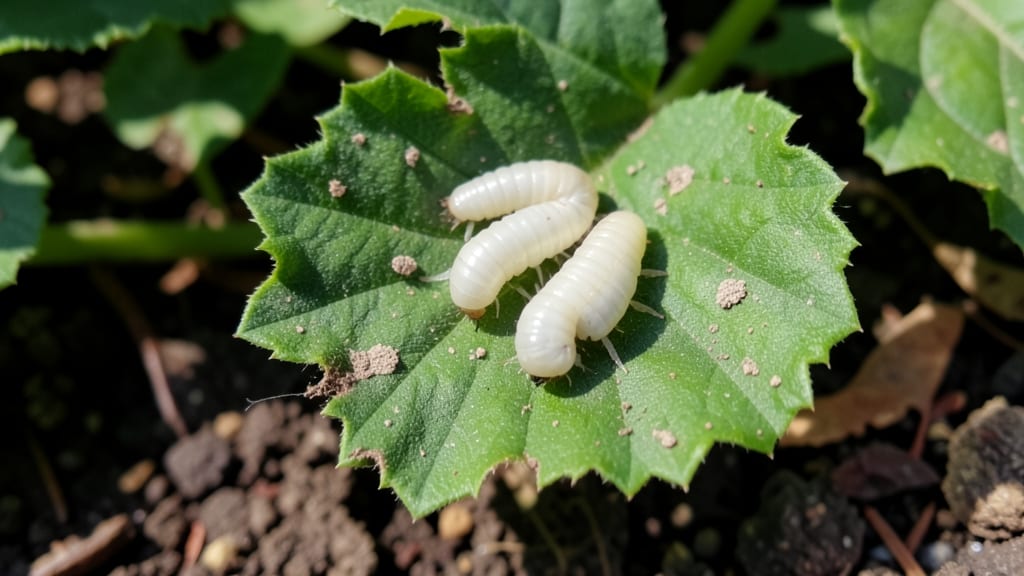
White garden grubs are the sneaky root-munchers that turn your lush lawn into a sad, patchy mess—until you know how to spot and stop them. I’ve watched these fat, creamy larvae destroy entire flower beds and lawns, and the worst part?
They’re invisible until the damage is done. The good news? You don’t need toxic chemicals to kick them out for good.
These grubs—often scarab larvae or cutworms—thrive in moist soil, feeding on roots until plants wilt or die. You’ll spot them by chewed roots, brown patches in grass, or tiny tunnels in the soil.
The key to stopping them? A mix of early detection, natural predators, and simple soil treatments that actually work. No fancy equipment needed—just elbow grease and the right timing.
Once you’ve identified the problem, you’ll learn how to drown them out with organic sprays, attract their enemies (like birds and nematodes), and prevent future invasions with smart garden habits.
Your lawn and garden will bounce back faster than you think—no more guessing games or chemical dependency. Let’s get those grubs out of your yard for good.
This works for lawns, vegetable gardens, and flower beds alike—no matter how bad the infestation looks. The secret is acting fast and staying consistent. Ready to reclaim your green space without the harsh stuff?
The Hidden Triggers Behind Larval Infestations
If your lawn or garden looks like a buffet for hungry larvae, you’re not alone. Understanding why these pests show up in the first place is the key to stopping them before they cause damage.
White garden grubs aren’t just random visitors—they’re drawn to specific conditions that turn your yard into their ideal breeding ground. Let’s break down the real reasons they invade and how to disrupt their plans.
Grubs thrive in soil that’s rich in organic matter, especially if it’s been over-fertilized with nitrogen. While nitrogen helps grass grow lush and green, it also attracts the eggs of Japanese beetles and European chafer beetles, two of the most common grubs in North America.
Why it happens: Nitrogen-heavy soil encourages rapid grass growth, which in turn attracts adult beetles looking for the perfect place to lay their eggs. Once the eggs hatch, the larvae (grubs) burrow into the soil, feeding on roots and creating weak, patchy lawns.
Actionable fix:
- Test your soil before fertilizing—aim for a balanced NPK ratio (e.g., 10-10-10 or 12-12-12).
- Avoid late-summer fertilization, as this is peak egg-laying season for many beetle species.
- Use slow-release fertilizers to prevent sudden nitrogen spikes that lure beetles.
Piles of fallen leaves, grass clippings, or wood chips create cozy microclimates where grubs can hide, pupate, and multiply undetected. These organic layers also retain moisture, making them even more attractive to beetles seeking damp soil for egg-laying.
Why it happens: Adult beetles prefer to lay eggs in soft, moist soil covered with organic matter. The debris insulates the soil, keeping it warm and humid—perfect for egg development. Once the grubs hatch, they stay hidden until they’re large enough to cause damage.
Actionable fix:
- Rake up leaf litter and debris regularly, especially in fall and spring.
- Mulch thinly (no more than 1–2 inches) and keep it away from lawn edges.
- Aerate compacted soil to improve drainage and reduce hidden breeding zones.
Grubs need moisture to survive, and lawns that stay soggy—whether from overwatering, clay soil, or poor drainage—become their favorite hangout spots. Excess water also weakens grass roots, making it easier for larvae to feast undetected.
Why it happens: Beetles seek out damp soil because it’s easier to dig into and retains moisture for their eggs. Once hatched, grubs stay near the surface where water collects, feeding on roots in the most vulnerable areas.
Actionable fix:
- Water deeply but infrequently (1–1.5 inches per week) to encourage deep root growth and reduce surface moisture.
- Improve drainage with sand or organic matter if your soil is clay-heavy.
- Avoid watering in the evening, as prolonged dampness invites grubs.
Healthy grass can tolerate some grub damage, but stressed or thin lawns become easy targets. Drought, disease, or compacted soil weakens roots, making them more susceptible to larval feeding. Grubs also prefer areas where grass is already struggling to recover.
Why it happens: Weak grass has fewer defenses against grubs. The larvae detect stressed plants through chemical cues and target them first, accelerating damage. Over time, this creates brown patches that spread quickly.
Actionable fix:
- Core aerate annually to relieve compacted soil and improve root health.
- Overseed bare spots with drought-resistant grass varieties like tall fescue or Kentucky bluegrass.
- Avoid heavy foot traffic on weakened areas to prevent further stress.
Grubs don’t appear out of nowhere—they’re the offspring of adult beetles that migrate into your yard. If your neighborhood has a history of Japanese beetles, June bugs, or chafer beetles, your lawn is at high risk during their peak flying seasons (usually late spring to early summer).
Why it happens: Adult beetles are drawn to flowering plants, fruit trees, and lush lawns. Once they arrive, they feed on leaves and lay eggs in the soil. A single female beetle can deposit 40–60 eggs in her lifetime, leading to a grub explosion in just a few weeks.
Actionable fix:
- Monitor beetle activity in late spring/early summer and act fast if you see them.
- Use traps sparingly—some beetle traps (like Japanese beetle traps) can attract more beetles to your yard.
- Plant grub-repelling flowers like marigolds, catnip, or geraniums to deter adult beetles.
By addressing these triggers, you can make your lawn less inviting to grubs before they become a full-blown problem. The key is prevention—disrupt their habitat, and they’ll move on to easier targets.
Natural Ways to Eliminate Garden Invaders
Now that you understand why these pesky critters show up, it’s time to tackle them—without resorting to harsh chemicals. Below are targeted, organic solutions tailored to the root causes of your infestation, from soil health to plant care.
Each method is practical, budget-friendly, and designed to work fast while keeping your garden thriving.
If your lawn or garden beds are soggy, poorly drained, or packed down, grubs will thrive like they’re in a five-star hotel. Here’s how to flip the script:
💧 Improve Drainage & Aerate
- Test your soil: Stick a screwdriver into the ground. If it goes in easily, drainage is decent.
If it fights back, you’ve got a problem. - Add organic matter: Mix in compost, coconut coir, or well-rotted manure (2–3 inches deep) to loosen soil and improve aeration. - Aerate in fall or spring: Rent a core aerator (or use a garden fork) to poke holes 3–4 inches deep.
This lets roots breathe and grubs bake in the sun if exposed. - 💡 Pro Tip: Water deeply 1–2 times per week (instead of daily light sprinkles) to encourage strong root growth and deter grubs.
🌱 Choose Grub-Resistant Plants
Some plants naturally repel grubs or tolerate damage better. Swap vulnerable lawns for:
- Clover (crowds out grubs, fixes nitrogen)
- Fescue or Ryegrass (less appealing to grubs than Kentucky bluegrass)
- Marigolds, Garlic, or Chrysanthemums (plant near high-risk areas—their scents confuse grubs)
Grubs love lush, nitrogen-rich lawns—it’s like an all-you-can-eat buffet for them. Starve them out with these steps:
⚖️ Adjust Your Fertilizer Routine
- Skip high-nitrogen feeds in late summer/fall: Grubs are most active then.
Switch to a low-nitrogen, high-phosphorus fertilizer (like 5-10-10) to support roots instead of foliage. - Use slow-release organic fertilizers: Options like fish emulsion, alfalfa meal, or worm castings feed soil microbes, which outcompete grubs for food. - 🔥 Overhaul your lawn care: Mow high (3–4 inches) to shade soil and reduce moisture loss.
Grubs hate heat—taller grass = less hospitable.
👨🍳 Introduce Beneficial Nematodes
These microscopic predators (like Heterorhabditis bacteriophora) infect and kill grubs naturally. Here’s how to use them: 1. Buy nematodes (available online or at garden centers) in a powder or liquid form.
- Apply in evening (they die in sunlight) when soil is moist but not soggy.
- Water lightly after application to help them move into the soil.
- Reapply every 4–6 weeks during grub season (spring/fall).
- 💡 Pro Tip: Mix nematodes with water and a bit of honey (as a food source) for better survival.
If you’ve got an active infestation, trap or physically block grubs before they cause damage.
🔪 DIY Beer Traps (Yes, Really!)
Grubs are drawn to yeast—and beer is just sugary yeast water. Here’s how to set a trap: 1. Bury a plastic cup or small container in the soil (rim even with ground). 2.
Fill with beer (or a mix of water + 1 tbsp sugar + 1 tbsp yeast). 3. Wait 24–48 hours, then check—you’ll find grubs drowned and floating. 4. Dispose of the trap and grubs far from your garden. 5. 🌡️ Repeat weekly until the infestation dwindles.
🛡️ Physical Barriers for New Plantings
- Cardboard or landscape fabric: Lay under new sod or garden beds to block grubs from migrating up.
- Sand or gravel: Top high-risk areas (like veggie gardens) with 1–2 inches of coarse sand—grubs avoid it.
- 🎯 Prevention Hack: Solarize soil in summer by covering beds with clear plastic for 4–6 weeks.
The heat cooks grubs alive.
The best defense? Stop grubs before they start. Build a garden ecosystem where they don’t want to stay:
| Problem | Solution | When to Do It |
|---|---|---|
| Weak soil | Add compost + mycorrhizal fungi | Spring or fall |
| Too much moisture | Improve drainage, aerate | Early spring or late fall |
| Over-fertilized lawn | Switch to organic, slow-release | Early spring |
| Monoculture lawn | Plant clover, wildflowers, or native grasses | Fall or spring |
| No predators | Encourage birds, toads, and nematodes | Year-round (especially spring) |
🐦 Invite Grub’s Natural Enemies
- Birds: Install a bird feeder or bath—robins, starlings, and grackles love eating grubs.
- Ground beetles & toads: Leave leaf litter or mulch in shady spots—they’ll hunt grubs for you.
- Chickens or ducks: If you have space, let them free-range in the garden.
They’ll devour grubs like popcorn.
Final Thought: Grubs are manageable when you tackle the real issues—not just the symptoms. Combine soil fixes, traps, and prevention, and you’ll create a garden where grubs don’t stand a chance. 🚫🐛
Frequently asked questions
Are white garden grubs the same as cutworms?
No, they’re different pests! White garden grubs are typically scarab beetle larvae (like Japanese beetle grubs), while cutworms are the larvae of moths. Grubs feed on roots underground, while cutworms chew stems at soil level. Check for chewed roots or brown grass patches for grubs, or look for stems cut cleanly at ground level for cutworms.
How do I know if my lawn damage is from grubs or drought?
Grub damage usually shows as small, irregular brown patches that pull up easily (roots are chewed). Drought damage appears as uniform browning that stays attached to the soil. Dig up a small section—if you find fat, white larvae (1–1.5 inches long), it’s grubs. Pro tip: Grub damage often starts in shady, moist areas first.
Can I use coffee grounds to repel white garden grubs?
Coffee grounds won’t kill grubs, but they can help deter them when used as a mulch barrier. Sprinkle used grounds around plants or mix into the top inch of soil—the caffeine content may confuse their scent trails. For best results, combine with beneficial nematodes or neem oil for a layered defense.
Will milky spore work against white garden grubs?
Milky spore targets Japanese beetle grubs specifically, but it takes 2–3 years to establish in soil. For immediate results, pair it with beneficial nematodes or beer traps. Apply milky spore in early spring when soil temps reach 55°F—it’s most effective in warm climates.
Are grubs harmful to pets or humans?
No, grubs aren’t dangerous to touch or consume (they’re actually edible in some cultures!). However, they can carry parasites like roundworms if ingested by pets. Keep pets off treated areas until nematodes or sprays settle. Always wash hands after handling soil where grubs might be present.