My childhood backyard in rural Ohio was my first garden—where I learned that even the most stubborn weeds could teach you something if you paid attention. Now, I run this site to share the lessons I’ve picked up over years of digging, planting, and occasionally cursing at the weather. Here, you’ll find tips that actually work, whether you’re a first-time planter or a seasoned green thumb.
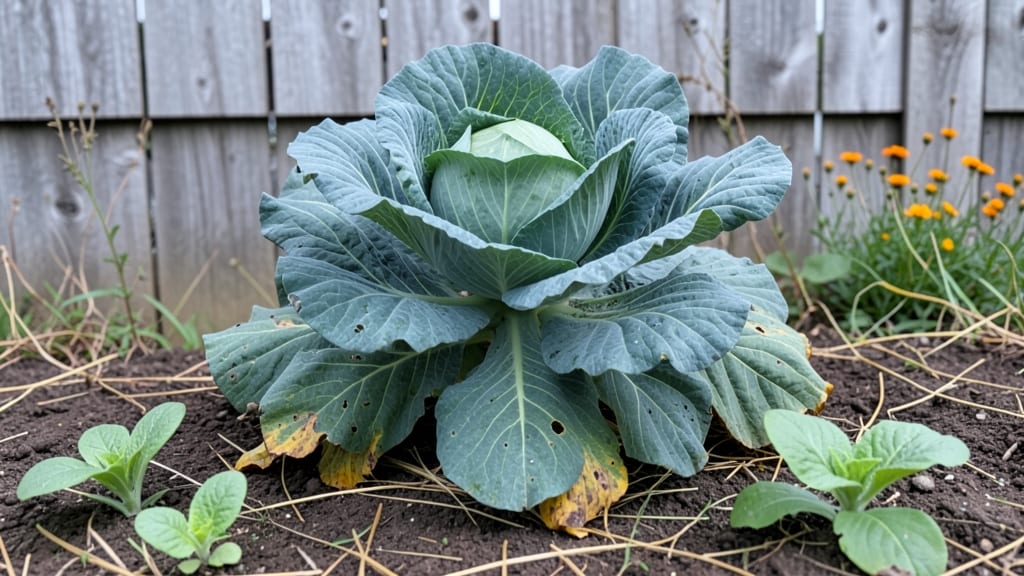
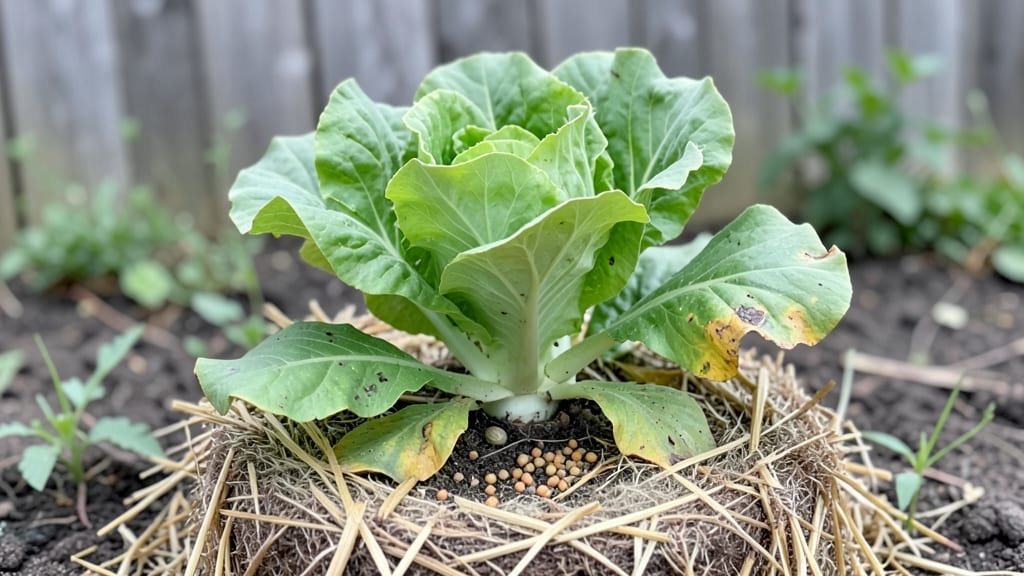
💥 Quick Answer Cabbage garden spacing requires 12–18 inches between plants for smaller varieties like bok choy, 18–24 inches for medium heads, and 24–36 inches for large cabbages. Rows should be spaced 24–36 inches…
💥 Quick Answer The ideal garden bed width for plant growth and accessibility is 3 to 4 feet, allowing easy reach from both sides without stepping on soil. Wider beds may require pathways, while narrower ones limit…
💥 Quick Answer A vegetable garden needs 6 to 8 hours of direct sunlight daily for most crops, though leafy greens tolerate partial shade (4-6 hours), while sun-lovers like tomatoes and peppers require full sun (8+…
💥 Quick Answer Zone 4 gardening thrives with cold-resistant plants like coneflowers, Russian sage, and hardy perennials, while strategic planting schedules—such as early spring sowing for frost-sensitive crops—maximize…
💥 Quick Answer Straw bale gardening fertilizer transforms bales into nutrient-rich beds by conditioning them with water, nitrogen, and organic matter, creating a fast-growing environment for plants in as little as 2-3…
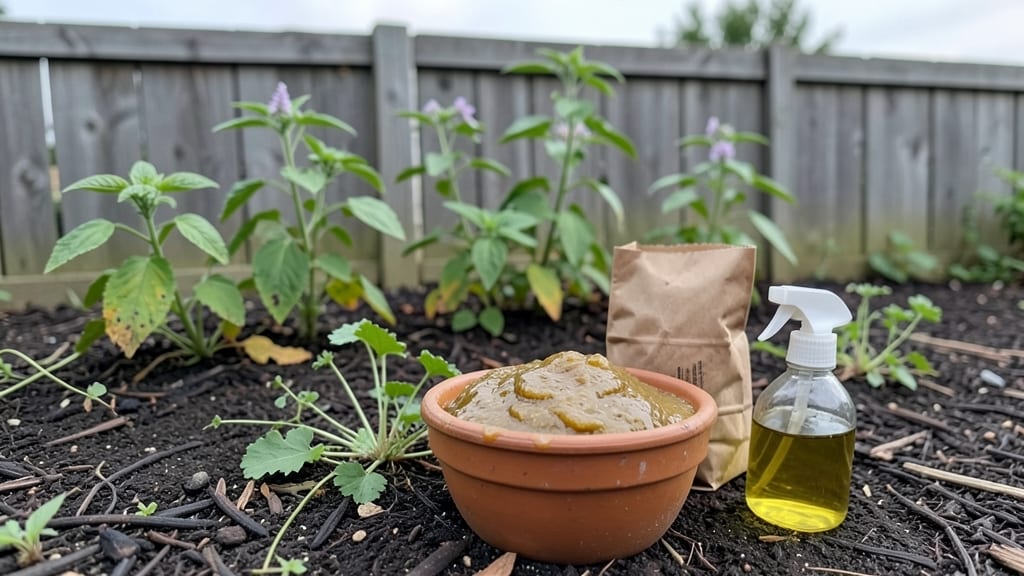
💥 Quick Answer Neem oil for garden use works as a natural pesticide, fungicide, and weed suppressant by disrupting insect life cycles, inhibiting fungal growth, and smothering weeds without synthetic chemicals. Dilute…
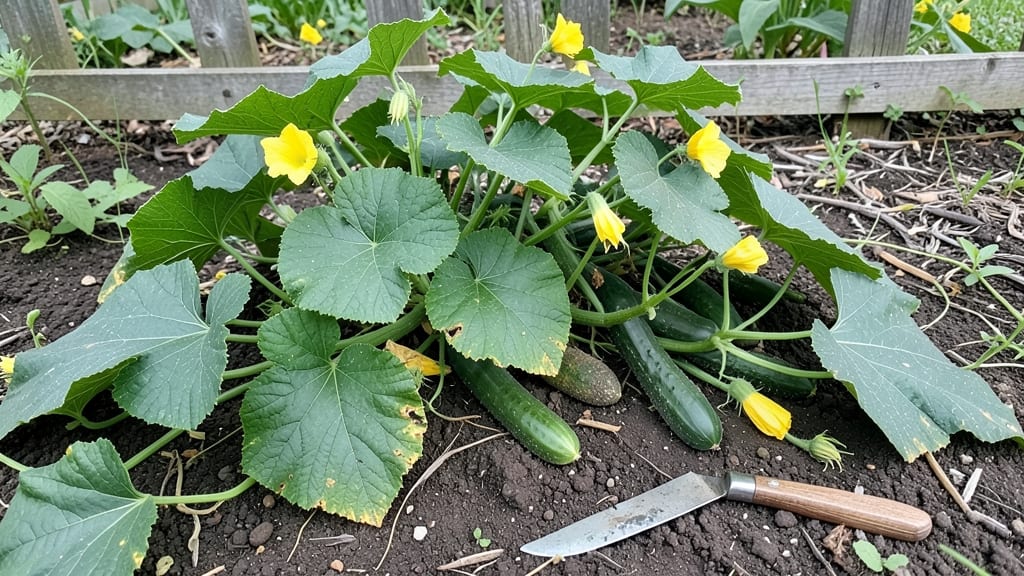
💥 Quick Answer Harvest cucumbers from garden when they reach 6 to 8 inches long, with firm skin and vibrant green color, ideally before seeds turn yellow for the best flavor and texture. Regular picking encourages more…
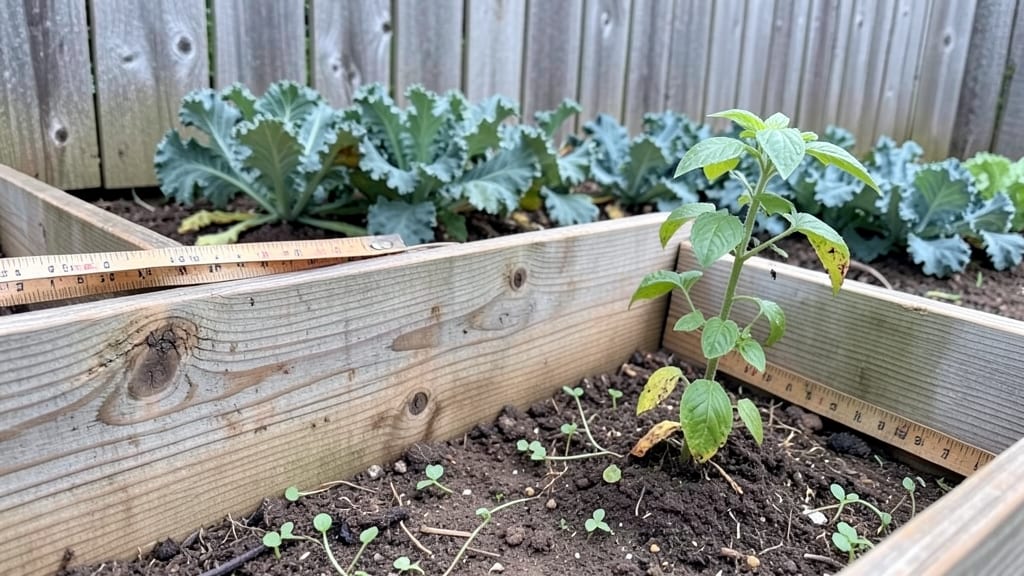
💥 Quick Answer A raised garden bed needs to be 6 to 12 inches tall for most vegetables and herbs, while deeper beds (12 to 18 inches) support root crops like carrots or potatoes. Height also improves accessibility and…
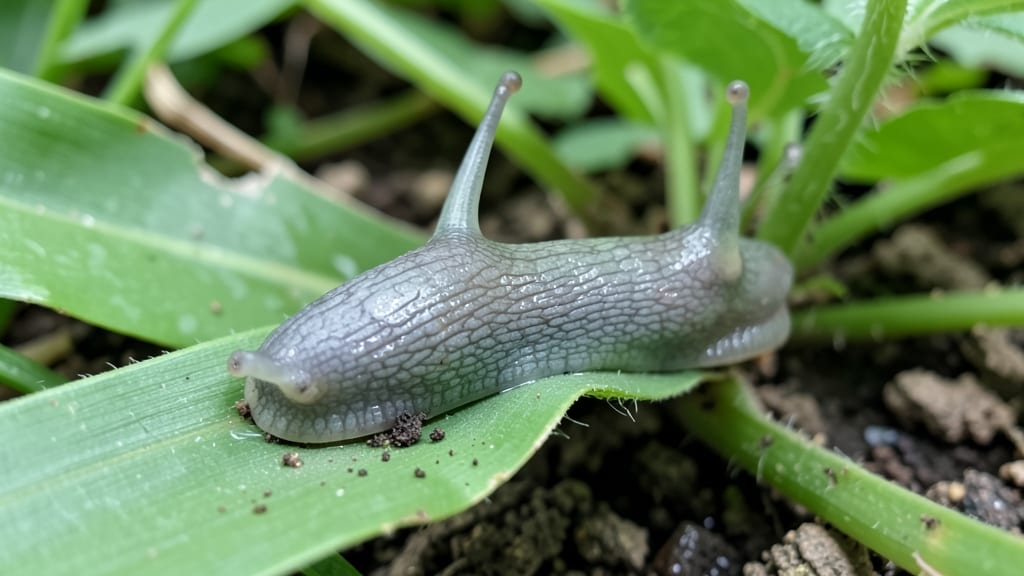
💥 Quick Answer Slugs are bad for gardens because they devour young seedlings, leaves, and flowers, leaving behind irregular holes and silvery slime trails that damage plants and hinder growth. Their feeding can weaken…
💥 Quick Answer Fertilizing your garden depends on plant type and growth stage: apply early spring for cool-season crops, late spring for warm-season plants, and mid-season for flowering or fruiting stages. Use soil…